Week 1
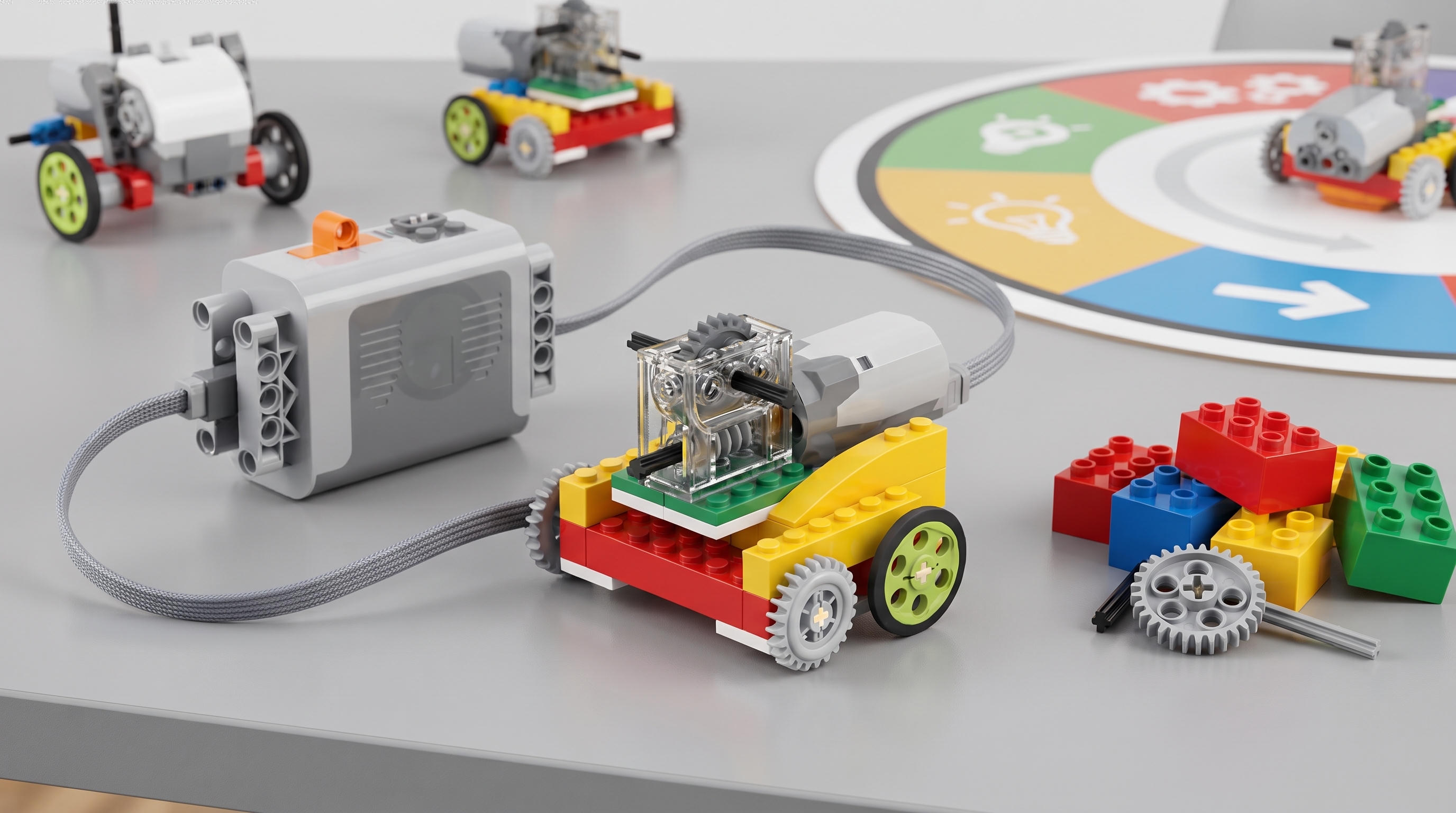
Drivetrain performance
High-torque vs high-speed drivetrains, measured.
Example builds
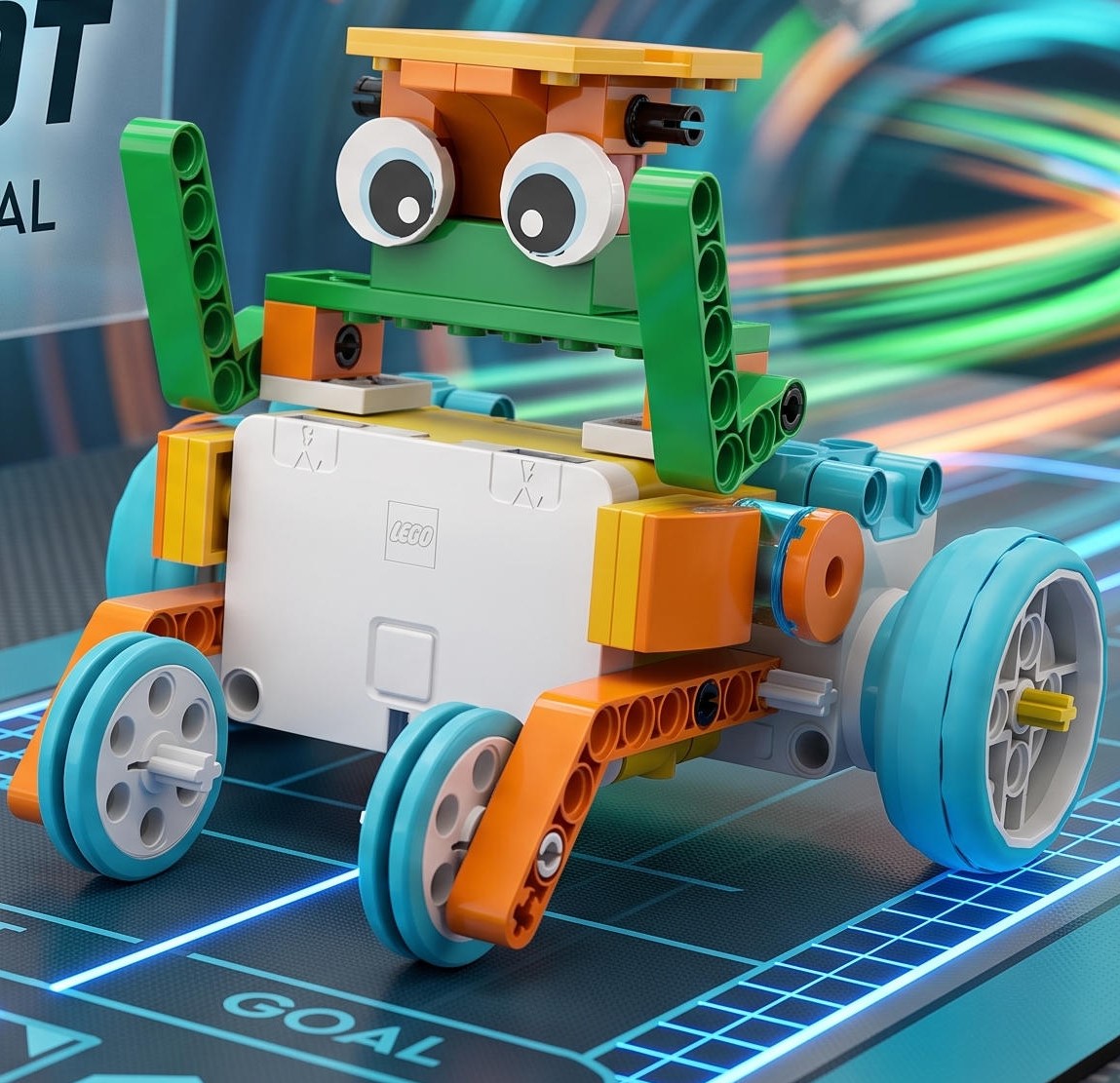
SpeedBot
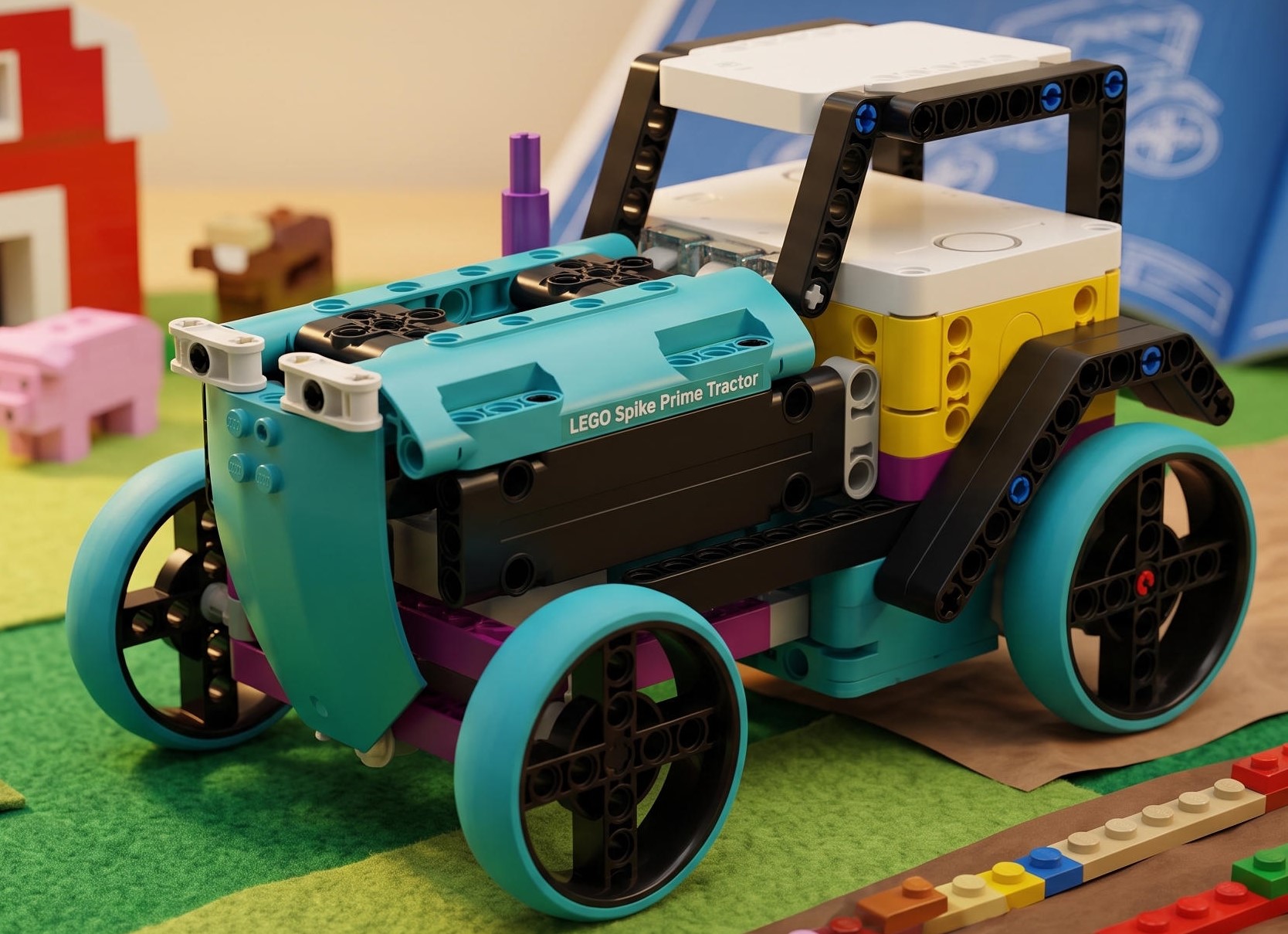
Tractor
Torque/speed mathsPerformance benchmarking
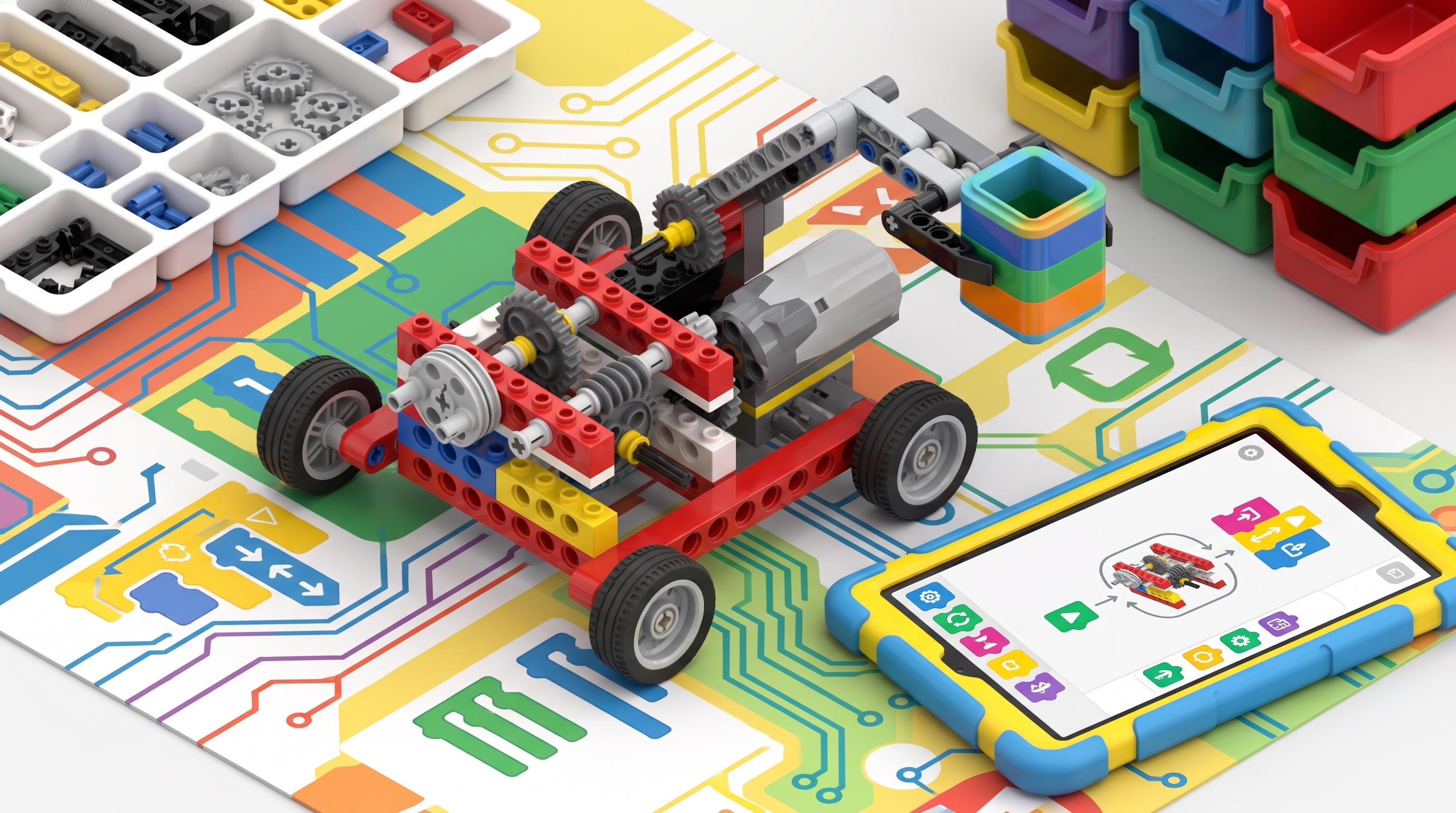
Advanced mechanics + AI. Solve real-world problems.
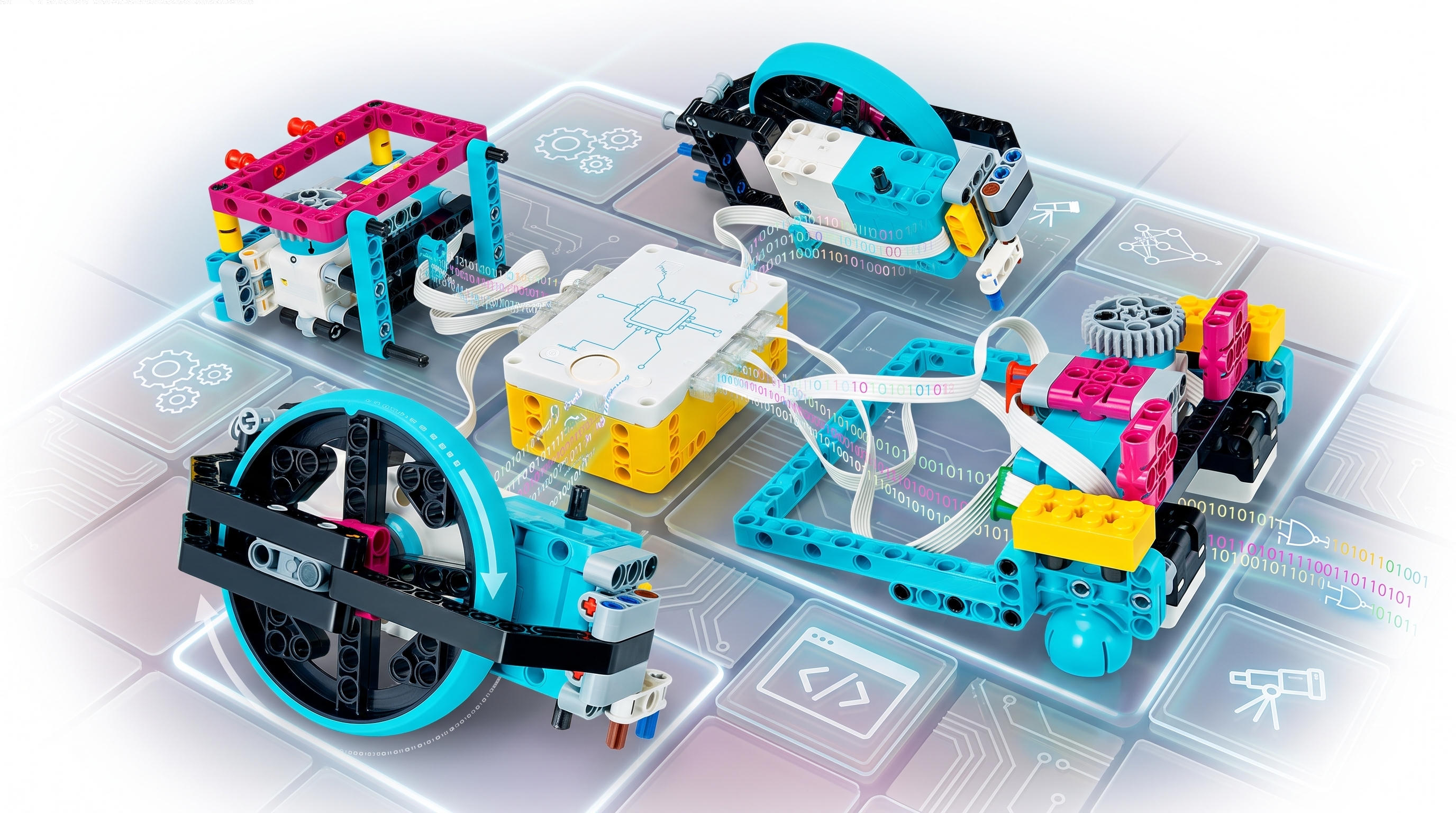
Robo Prime is our advanced program. Students design walking robots, program feedback controllers, and explore inverse kinematics — the same principles that power industrial robotics and self-driving cars. Great preparation for high-school engineering electives and coding pathways.
A concept-driven progression — every week unlocks a new STEM idea, with the exact builds refreshed each term.
High-torque vs high-speed drivetrains, measured.
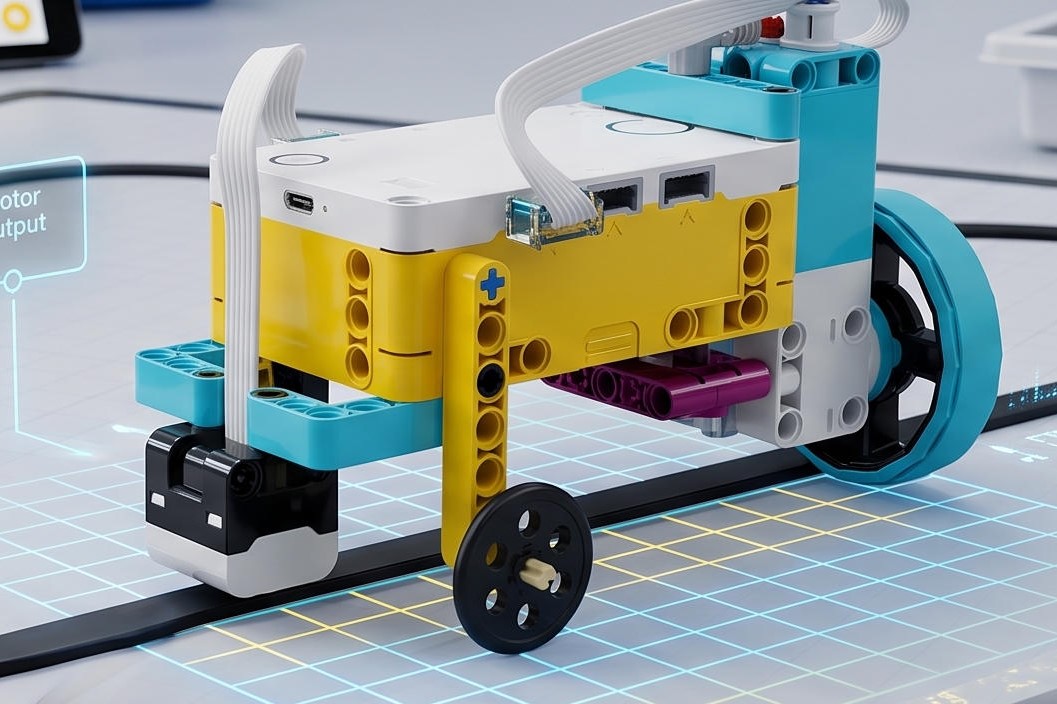
Two IR reflectance sensors + a proportional controller.
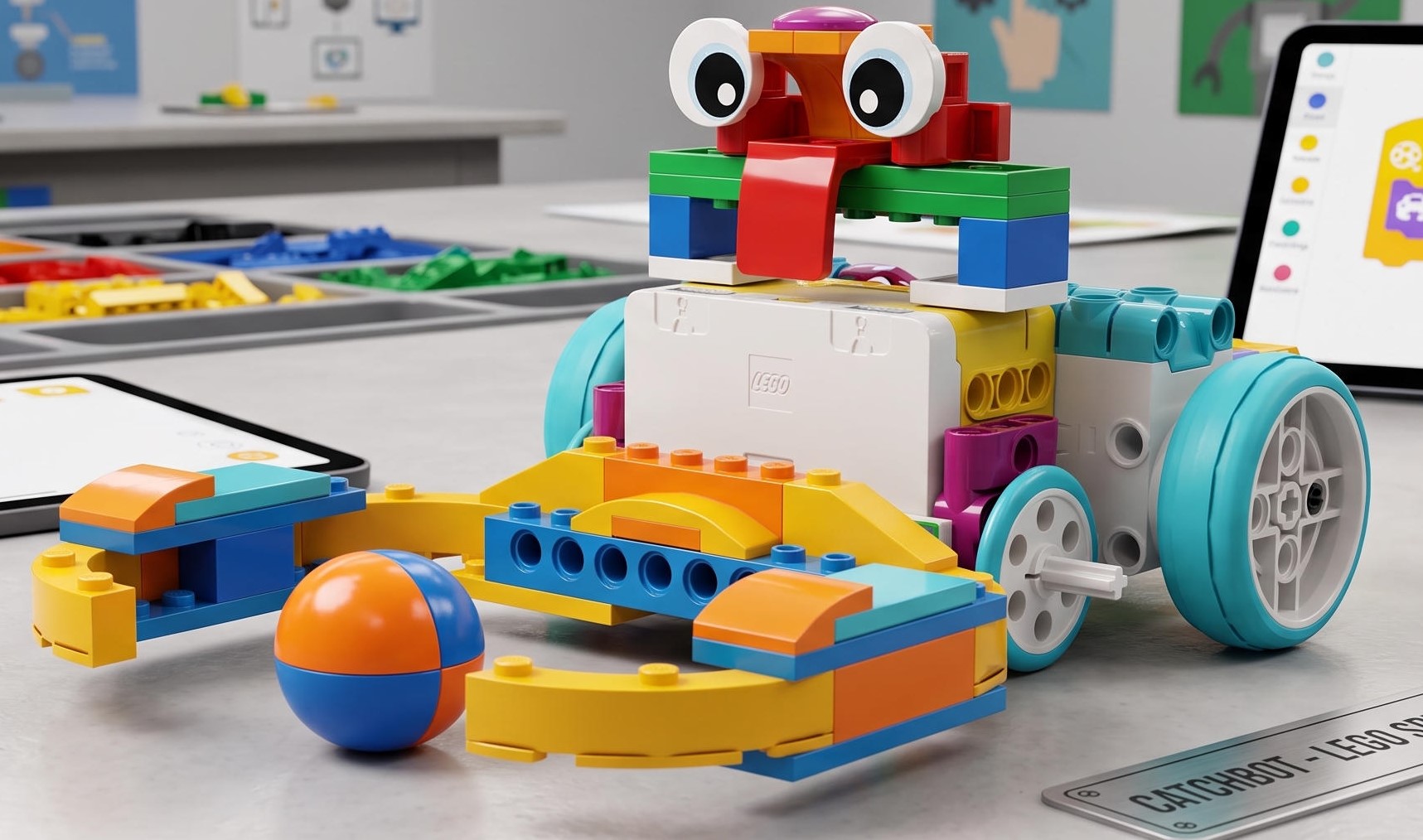
Colour sensing + rack-and-pinion gripper.
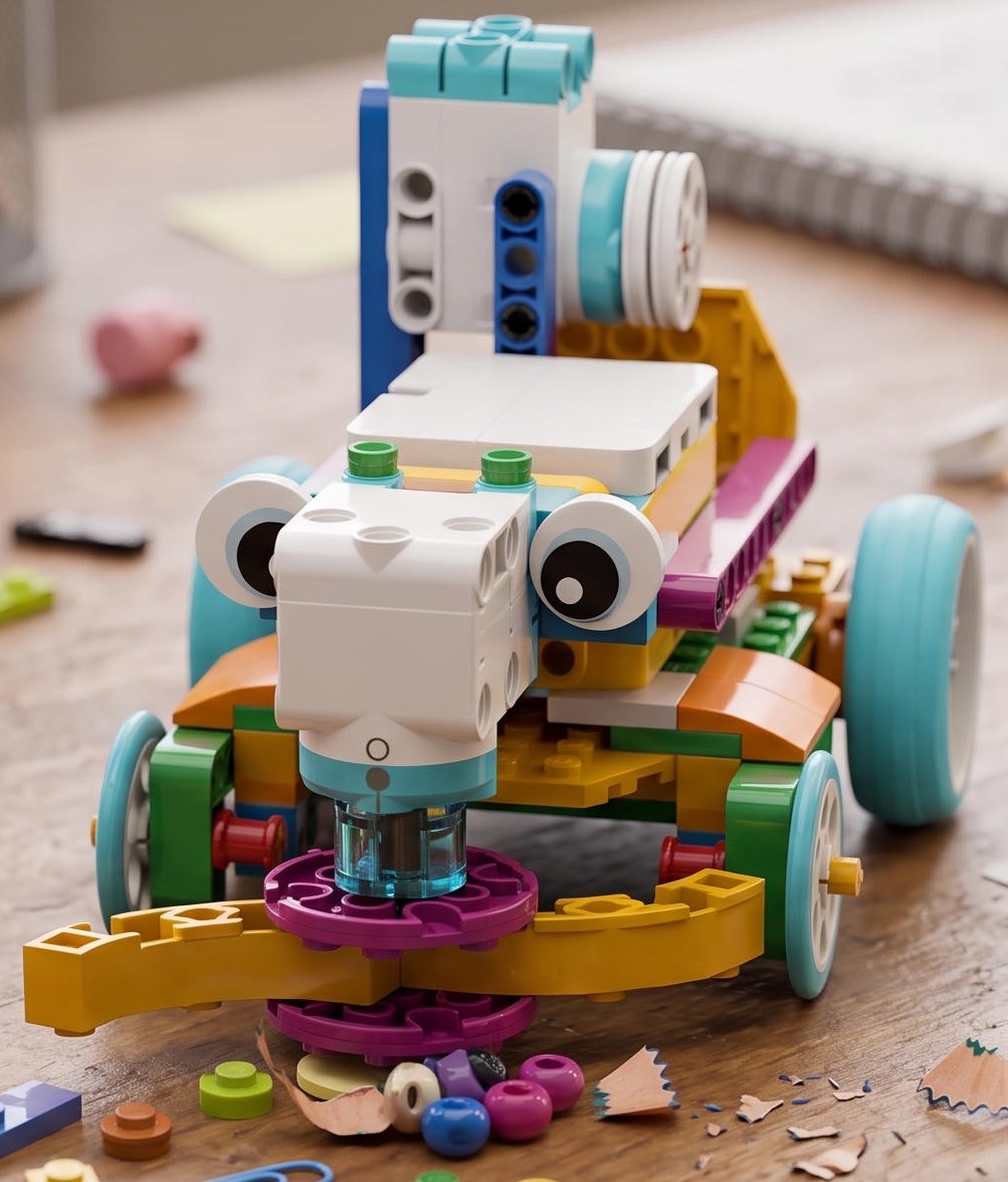
Bump-sensor triggered random-walk algorithm.
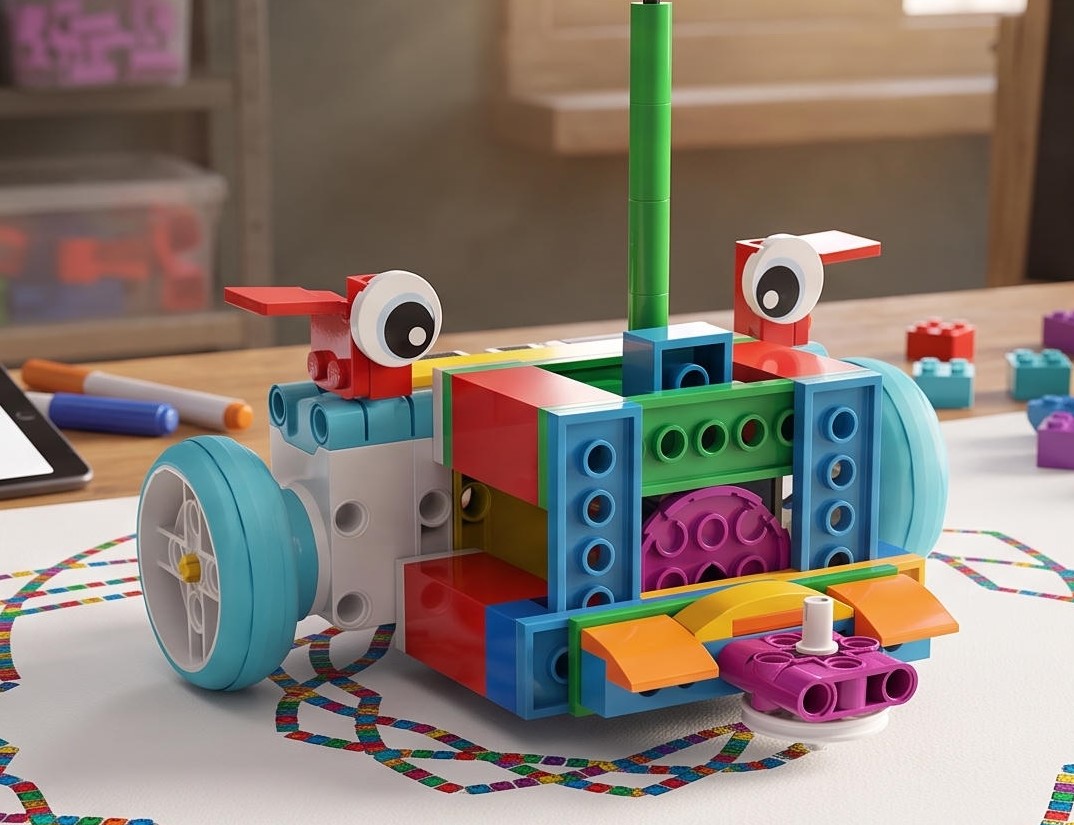
Two-motor X/Y plotter — write your name using coordinates.
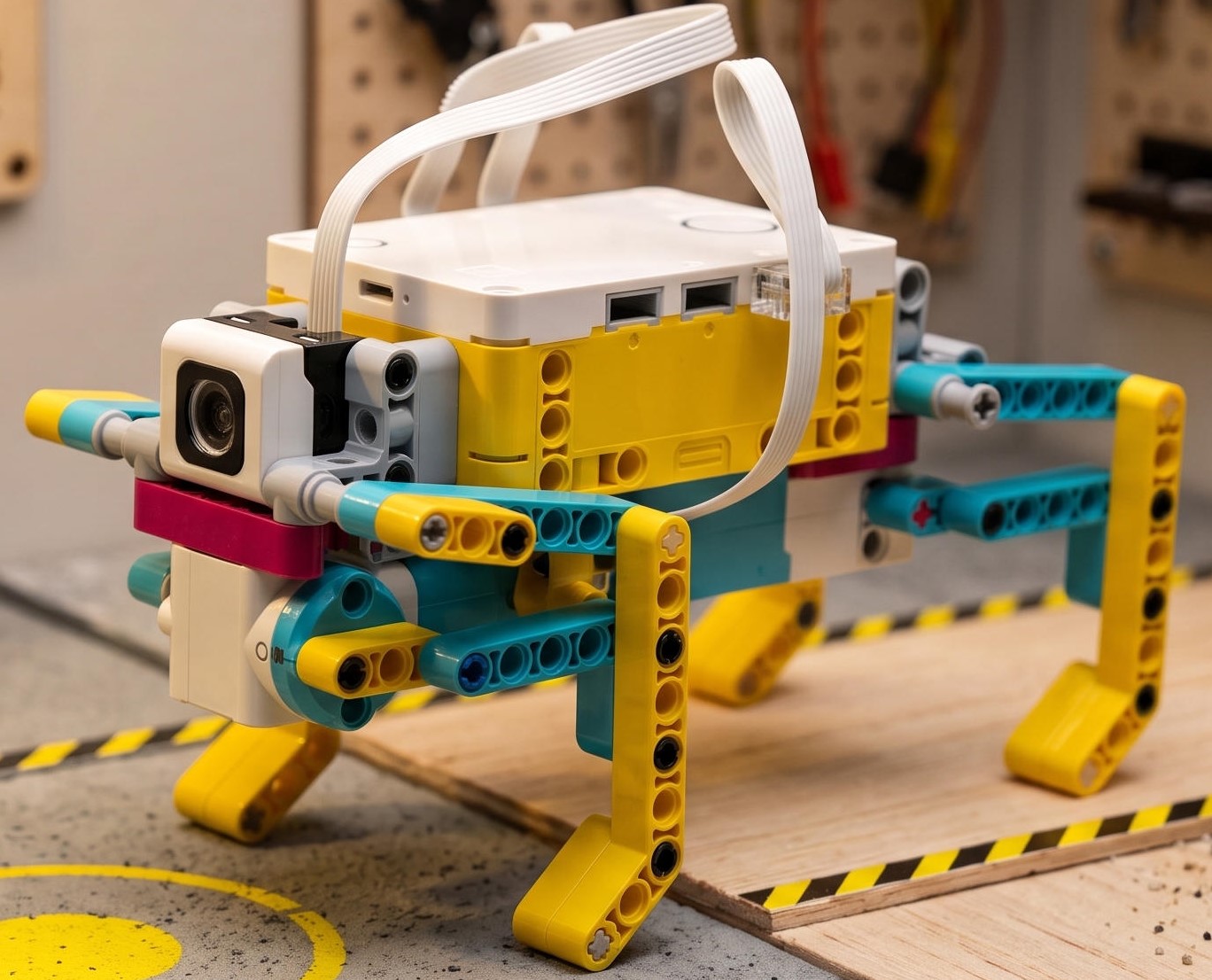
Four-legged robot with a stable gait.
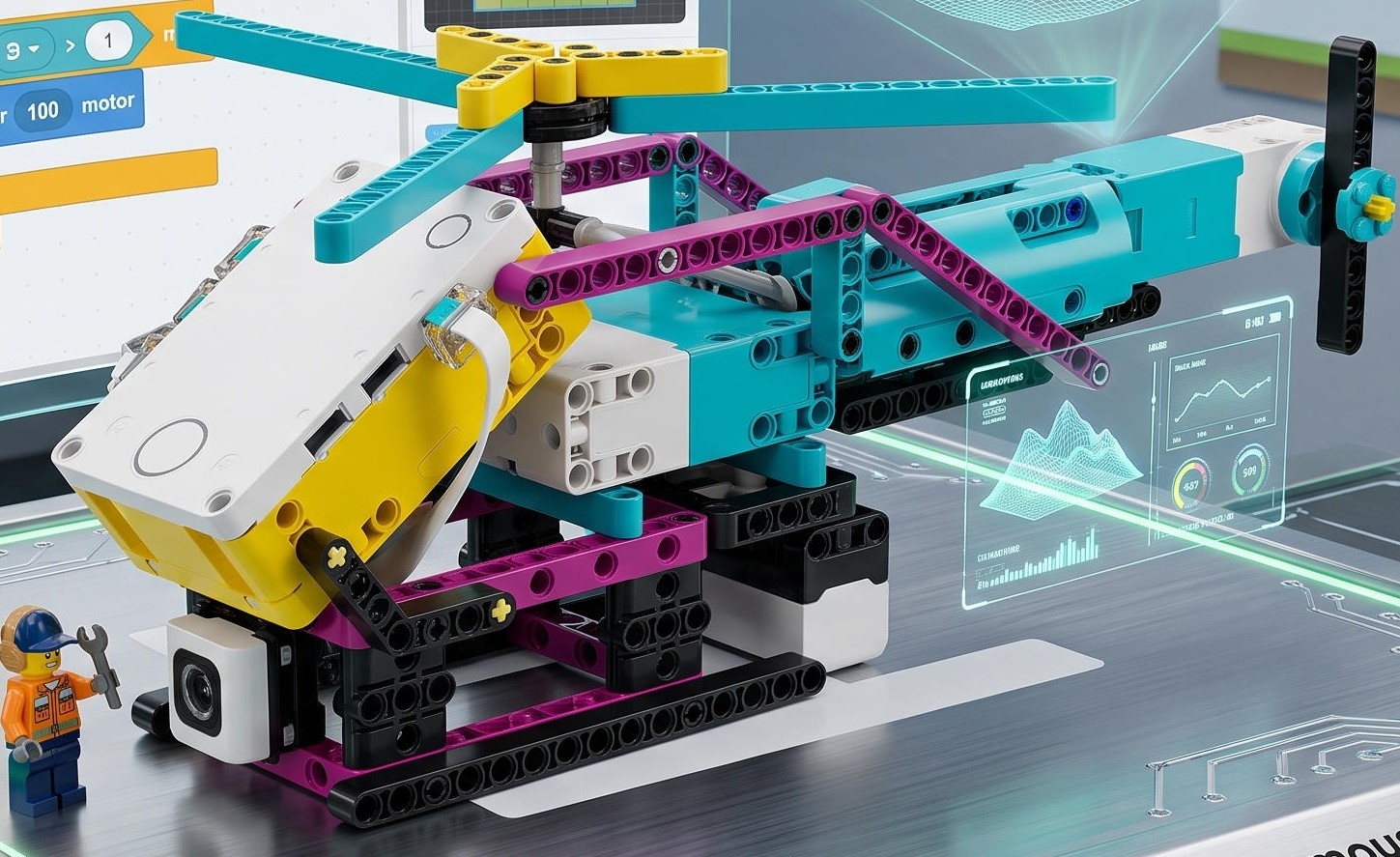
Coaxial rotors and gyro-stabilised platforms.
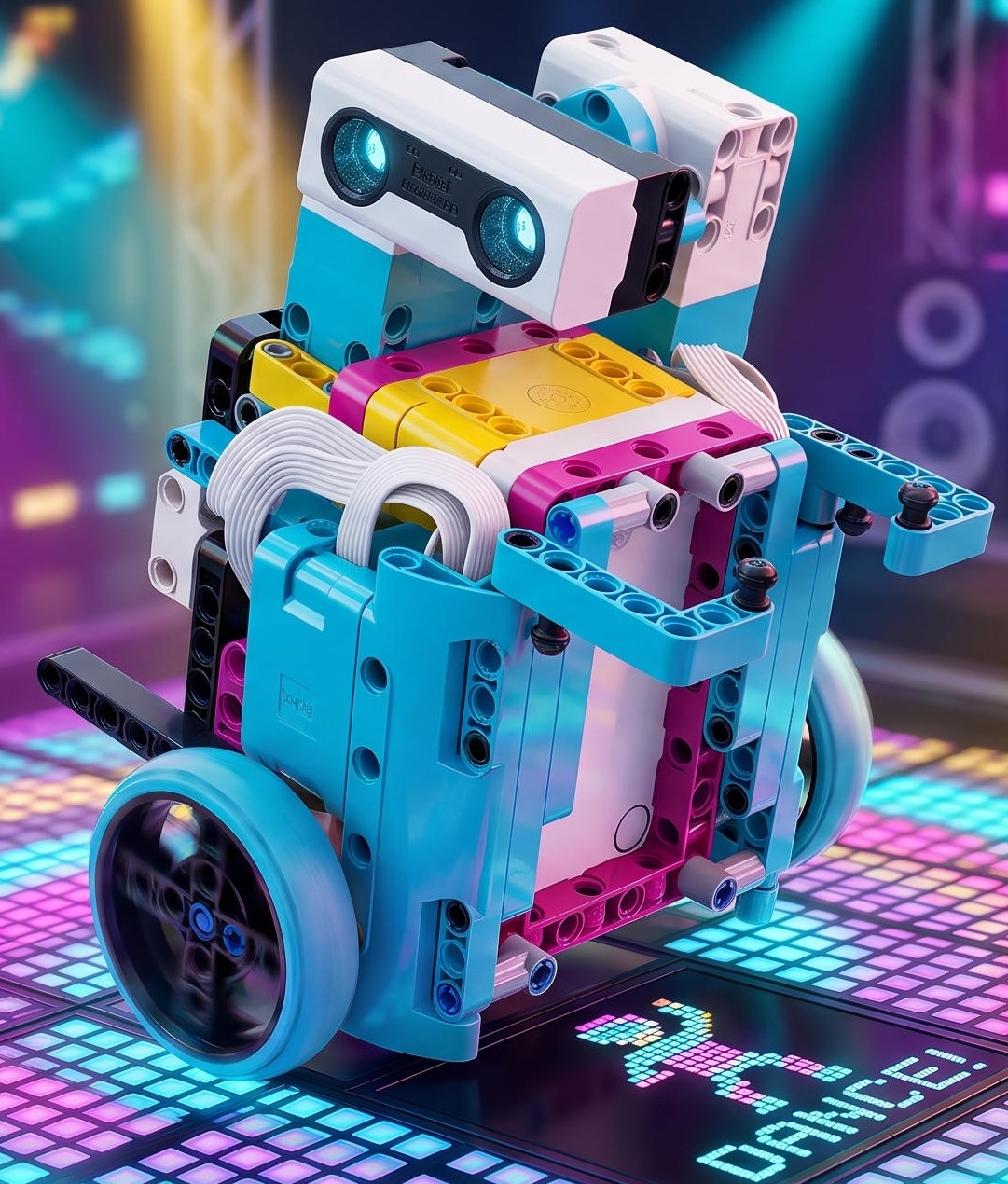
Choreographed motion to music AND present an original build.
Curriculum evolves each term — example builds shown; your child's exact models rotate to keep every term fresh.
A cross-section of the 10+ full curriculum — with the exact mechanism each build teaches.
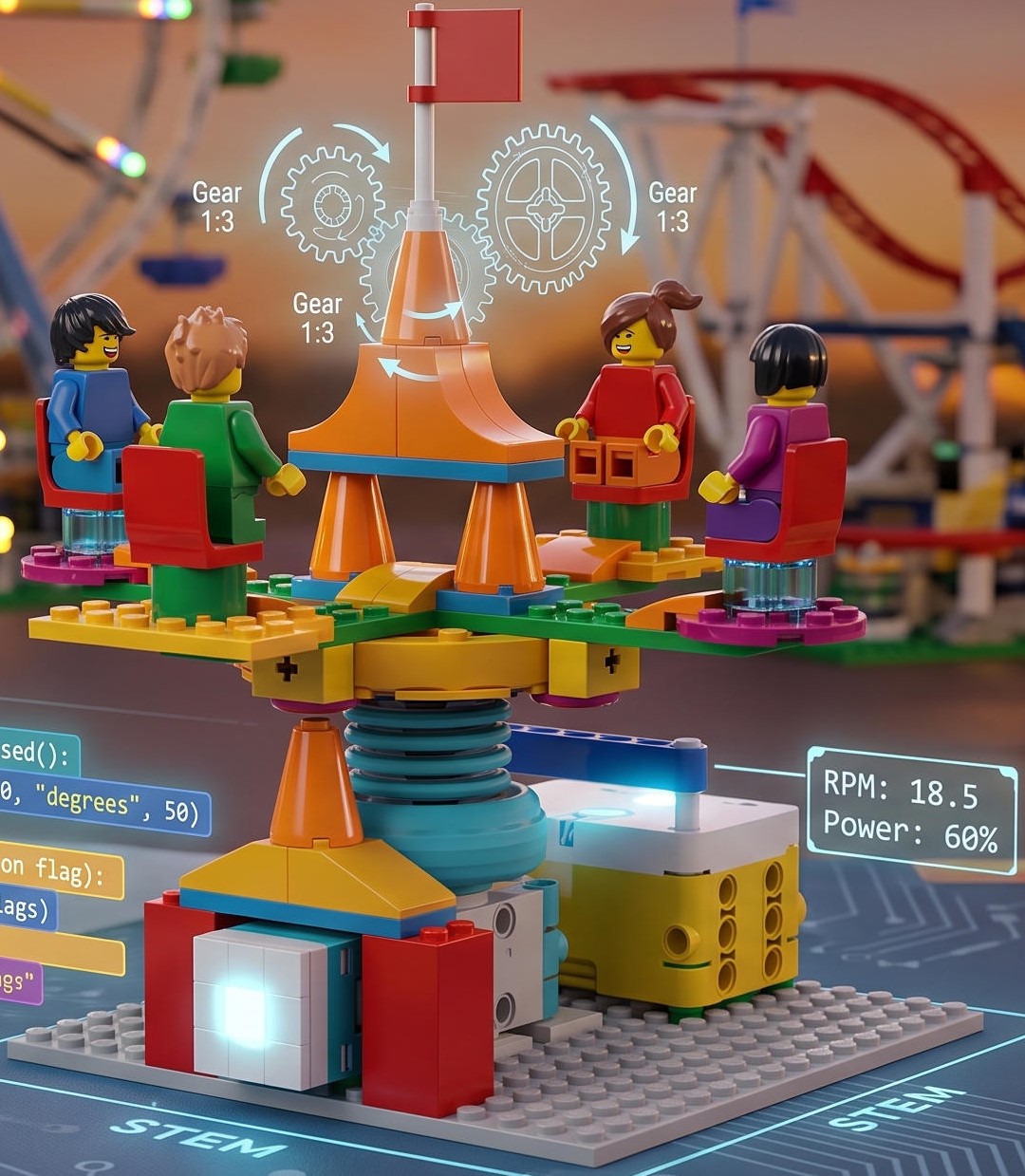
A servo-driven bevel gear translates horizontal to vertical rotation while an ultrasonic sensor times the ride cycle.
A colour sensor identifies the target; a gripper mechanism actuates via a rack-and-pinion drive.
Rhythm patterns are coded as motor sequences; a sound sensor triggers each choreographed move.
Two independent motors control X and Y axes; students program parametric shapes using coordinate geometry.
Coaxial rotors driven through a bevel-gear reduction; a gyro sensor stabilises pitch during flight simulation.
Two IR reflectance sensors feed a proportional controller so the robot tracks a black line at variable speed.
A high-ratio spur-gear train converts torque into velocity; timing gates measure lap performance.
A four-legged walking robot — inverse kinematics coordinate leg pairs to produce a stable gait.
Rotating brushes driven by belt transmission; a bump sensor triggers a random-walk escape algorithm.
A worm-gear drive delivers high pulling torque; a tilt sensor prevents rollover on inclines.
First class is on us — book a free trial in under 30 seconds.
Book a Free Trial